Why Iron-Rich Foods Matter and How to Include Them in Indian Meals
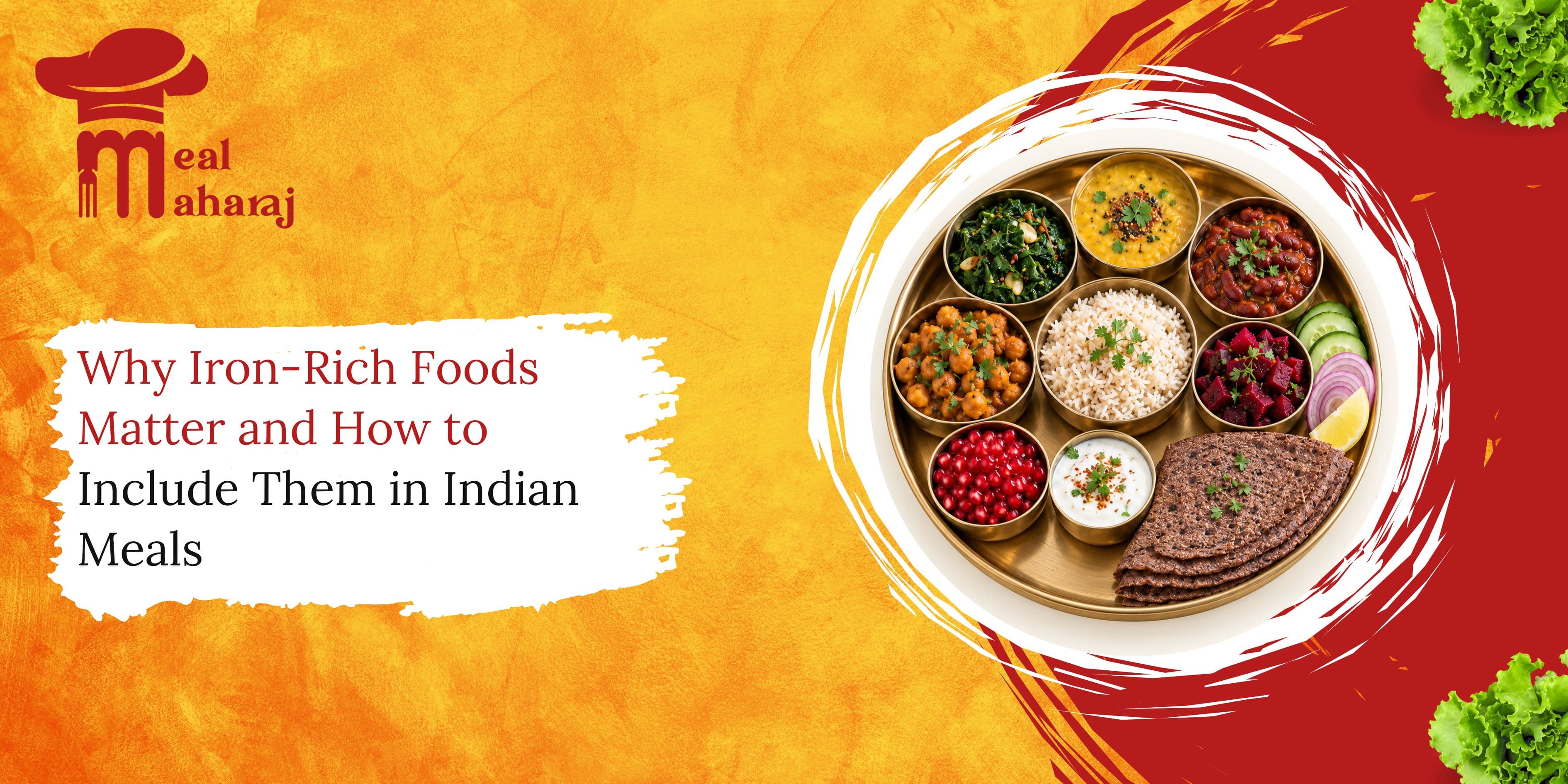
Iron is a vital mineral that plays a key role in maintaining health every day. Iron is required for the synthesis of haemoglobin, which carries oxygen around the body as a component of the red blood cell. When there is an inadequate intake of iron through diet in the long term, it may lead to iron deficiency and anaemia. The Indian National Institute of Nutrition advises that one should consume foods rich in iron such as green leafy vegetables, pulses, dry fruits, and animal foods, along with consumption of iron-rich plant foods with vitamin C foods.
The best thing about Indian food is that there are a lot of foods available that can help in meeting the daily requirements of iron in the body.
What Does Iron Do in the Body?
The main reason why iron is needed is that it is involved in the formation of haemoglobin, which is responsible for carrying oxygen around the body. Iron plays an essential part in providing energy.
An iron-rich diet may assist in maintaining:
- The proper transport of oxygen
- Energy and activity
- Healthy red blood cells
- The normal function of mind and body
- Nutritional health
When iron is not sufficient in one’s body, one may experience signs like fatigue, lack of energy, headaches, dizziness, or difficulty breathing. Nevertheless, such signs may have many origins, so it is better to contact a doctor for professional assistance rather than trying to solve it via dietary means.
Best Iron-Rich Foods for an Indian Diet
Many familiar Indian foods contain iron, making it possible to increase dietary iron without making your meals complicated.
1. Green Leafy Vegetables
Spinach (palak), methi, mustard greens, and other leafy vegetables may provide iron, folate, fiber, and many more vitamins and minerals.
These may be easily added in the form of:
- Palak sabzi
- Methi vegetable
- Palak dal
- Mixed leafy vegetables
It has been recommended by the National Institute of Nutrition that one should include green leafy vegetables in their diet for iron intake.
2. Lentils and Pulses
Dal, rajma, chole, and other forms of legumes can be good plant sources of iron and may be included in our daily diet in India.
Consider including:
- Moong dal
- Masoor dal
- Chana dal
- Rajma
- Chole
- Sprouted legumes
Grains and vegetables can be used along with these foods.
3. Millets and Whole Grains
Commonly included in Indian diets are foods such as grains and millets, including wheat, jowar, bajra, etc. Such foods help to ensure your consumption of iron in addition to carbohydrates and fibers.
Here is an illustration of such foods you can consume:
- Jowar roti
- Bajra roti
- Whole wheat chapati
- Millet preparations
4. Nuts, Seeds and Dry Fruits
Some foods such as nuts, seeds, and some dried fruits are sources of iron in addition to being other nutritious sources.
Some choices are as follows:
- Sesame seeds
- Pumpkin seeds
- Groundnuts
- Raisins
- Dried apricots
- Nuts
Who May Need to Pay Extra Attention to Iron?
A nutritious diet requires iron in addition to other essential nutrients, but adding iron-rich foods in an everyday Indian diet doesn’t have to be difficult. Green leafy vegetables, dal, pulses, millets, whole grains, seeds, dry fruits, eggs, fish, and meat may all be sources of iron in your everyday diet. Adding plant sources of iron with those foods that have a high content of vitamin C, like lemons, amla, guavas, and tomatoes, will help in better iron absorption.
As mentioned earlier in Why Eating a Variety of Foods Is Important for Complete Nutrition, eating a variety of foods is very important to get all kinds of nutrients. Likewise, in How Traditional Indian Foods Can Help in Modern Day Living, some traditional foods like dal, whole grains, seasonal vegetables, and curd have been discussed as a part of everyday diet.
Enjoy the easy availability of fresh and delicious food at Meal Maharaj. It is possible to make healthy eating a part of daily life because of simple food options and variety in the diet.