How to Cook One Meal That Satisfies Both Diabetic and Non-Diabetic Family Members?
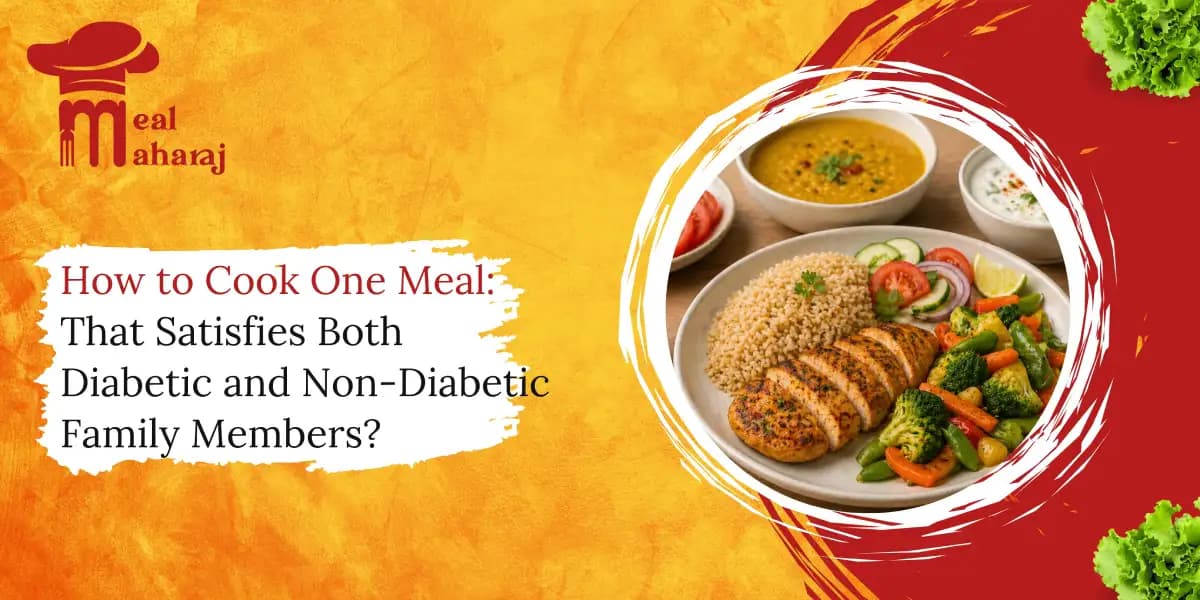
It is not always easy to cook for a family with some members who have diabetes and others who don’t. You may ask yourself if you need to cook two separate meals or completely abstain from using particular products. Fortunately, there is no need for that. In case you do things right, you will be able to cook a decent meal for all your family members.
What is important is selecting appropriate products, paying attention to portion sizes and balancing food properly. If done right, this will help keep diabetes under control while allowing you to enjoy the meal.
Understanding the Goal
A diabetic patient requires food to ensure stable levels of sugar in the body, meaning that it must be composed of:
a. Lower to medium glycaemic index (GI)
b. Nutritious content of carbs, protein, and fat
c. High amount of fibre
Meanwhile, other non-diabetic members require energy, flavour, and satisfaction from the food. Both requirements can be fulfilled at once with balanced meals.
The Balanced Plate Approach
A quick way to make meal plans would be to use a plate division system:
a. 50% vegetables (high fibre content, low glycemic index)
b. 25% proteins (dal, paneer, eggs, chicken)
c. 25% carbohydrates (roti, brown rice, millets)
Smart Ingredient Choices
Rather than taking away foods, we should be making healthier choices:
a. Consume whole grains in place of refined flour
b. Increase vegetables to ensure dietary fibre
c. Eat protein at each meal
d. Eat healthy fats in moderation
These improvements help everybody, even those without diabetes.
Sample Meal That Works for Everyone
A basic meal that can be prepared for Indians with diabetes and the entire family:
a. 1-2 chapati or brown rice
b. Vegetable mixture (sabzi)
c. Dal or Paneer curry (source of proteins)
d. Salad (cucumber, carrot, tomatoes)
e. Curd (optional)
The above meal is healthy, nourishing, and safe to consume every day.
Meal Comparison Table
|
Component |
For Diabetic Members |
For Non-Diabetic Members |
|
Carbohydrates |
Whole wheat roti, brown rice, millets (controlled portion) |
Same options, slightly flexible portion |
|
Vegetables |
High-fibre vegetables (leafy greens, लौकी, भिंडी) |
The same vegetables can include a variety |
|
Protein |
Dal, paneer, eggs, lean chicken |
Same protein sources |
|
Fats |
Limited oil, prefer healthy fats |
Moderate oil and fats |
|
Sugar |
Avoid added sugar |
Occasional sweets in moderation |
|
Portion Size |
Controlled portions |
Slightly flexible portions |
Cooking Tips for One Family Meal
a. Don’t deep-fry but steam, fry, or roast
b. Add spices to give flavour rather than using too much oil
c. Salt and sugar should be in balance
d. Consume small quantities of carbohydrates but large amounts of veggies
All of these are basic practices that promote good health.
Benefits of a Unified Meal Approach
a. Saves time and energy while preparing meals
b. Promotes healthy eating habits in the entire family
c. Minimises uncertainty and anxiety
d. Fosters sustainable lifestyle modifications
e. Nutritious food does not have to vary among individuals.
However, having a balanced diet does not involve any hard and fast rules but rather preparing your own meals that incorporate the right combination of the appropriate nutrients needed for your general well-being. This will require ensuring that you consume the appropriate amount of carbohydrates, proteins, and healthy fats, which in turn will help you to keep your body energised and healthy, something that is not common among Indians since they tend to eat too many carbohydrates. According to the article on the Balanced Diet: Carbs, Protein and Healthy, incorporating these ingredients in your meals is possible when you prepare yourself balanced meals from the comfort of your kitchen. However, you can also achieve this through Meal Maharaj, which will ensure that you stay on track with your balanced meals without putting in much effort.