How Much Protein Do You Really Need Every Day?
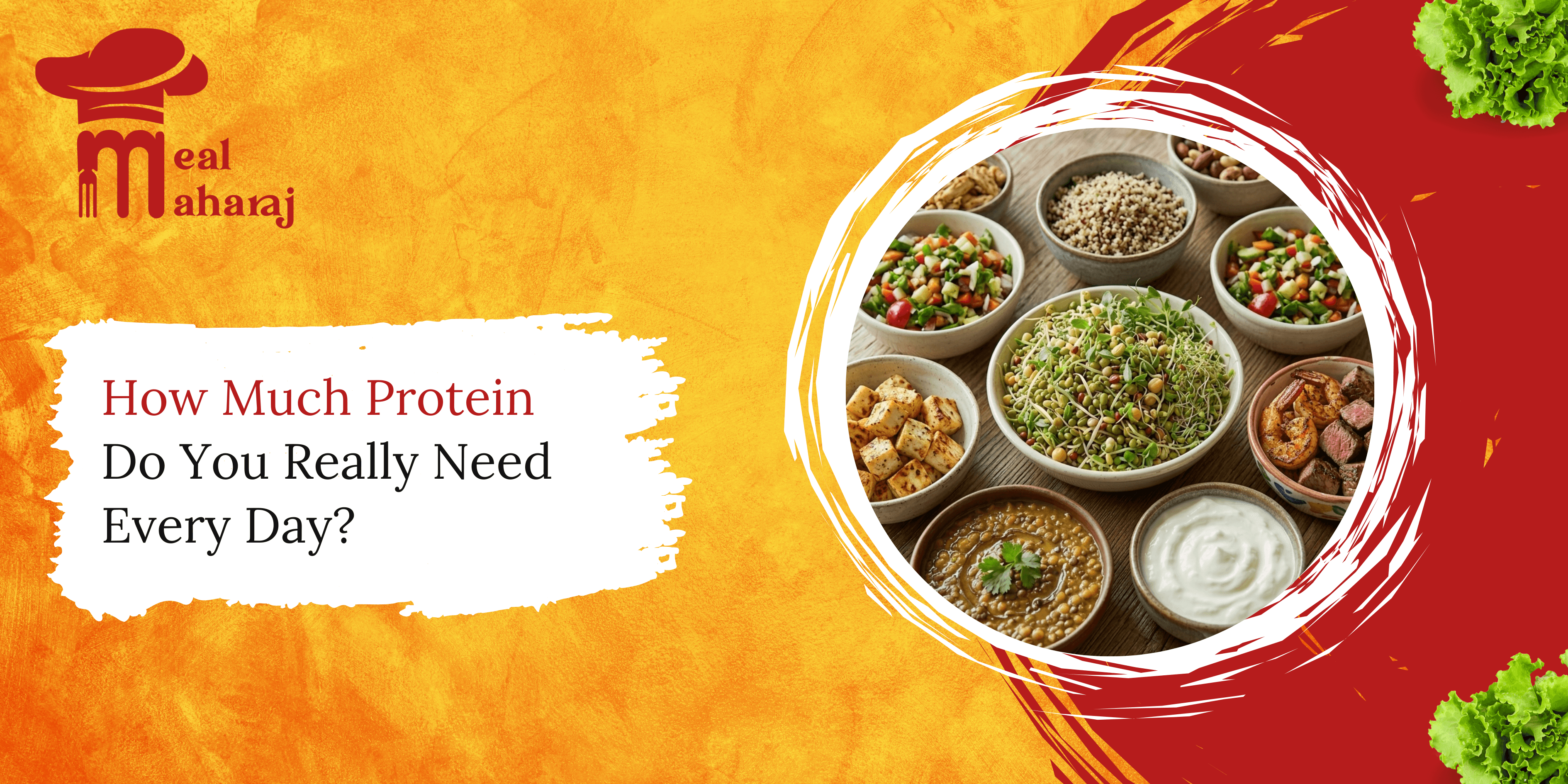
Protein is one of the most discussed nutrients today, and rightly so! Protein is essential for building muscle, repairing tissues, boosting your immune system, and keeping your body running smoothly. But with all the information available, one of the most common questions is: how much do you really need every day?
The amount of protein you need every day is not the same for everybody. It varies depending on your age, lifestyle, activity level, and health goals. Knowing how much your body needs can help you make better dietary decisions without making your diet too complicated.
Why Protein Is Important
Protein is referred to as a building block of the body because it assists in building and repairing muscles and tissues in the body. It is a significant element in boosting and maintaining a healthy immune system and healthy skin, hair, and nails. Protein keeps you full for a longer period, which assists in managing your hunger levels. It gives you energy throughout the day and keeps you active and alert. If your body does not have enough protein, it will feel weak and tired and will be inefficient in performing daily tasks.
How Much Protein Do You Need Daily?
The amount of daily protein required differs depending on your lifestyle and level of physical activity. Sedentary individuals require about 0.8 grams of protein for each kilogram of body weight. If you are moderately active, you may require 1.0 to 1.2 grams of protein for each kilogram of your weight. If you are a fitness enthusiast and are extremely active, then you may require 1.2 to 2.0 grams of protein for each kilogram of your weight.
Signs You May Not Be Getting Enough Protein
If there is a lack of protein in your daily diet, there is a chance that your body might show certain signs of a protein deficiency. Some of these signs include:
1. lack of energy
2. constant hunger
3. hair loss
4. weakness, etc.
However, these signs are often ignored, but if left unchecked, they might affect your health in due course of time. Therefore, it is important to maintain a proper protein-rich diet to avoid such health risks in the future. A lack of protein can also affect your muscles as well as your immunity, which might impact your health to a certain extent.
Best Sources of Protein in Everyday Meals
You do not have to rely on special supplements for your protein requirements. Home-style foods are enough for your protein requirements.
Vegetarian Sources:
• Dal and lentils
• Paneer (cottage cheese)
• Milk and curd
• Chickpeas (chana), rajma
• Soy products
• Nuts and seeds
Non-Vegetarian Sources:
• Eggs
• Chicken
• Fish
• Lean meats
How to Add Protein to Your Daily Diet
Making small changes in your meals will help you achieve your daily protein needs:
• Include dal or legumes in your lunch and dinner
• Add curd or paneer to your meals
• Eat eggs or sprouts for your breakfast
• Snack on nuts or roasted chana
• Include all the above in your plate with the combination of carbs and veggies
Quantity does not matter; consistency is the key. Protein needs to be spread throughout the day.
Can You Have Too Much Protein?
However, it does not have to be complicated to maintain a healthy diet during our busy workdays; what is important is being consistent and having a healthy and balanced meal that will provide us with the energy and nourishment we need to be productive and maintain our energy levels throughout our busy schedule at work. In order to make this more convenient and applicable in our daily lives, you may try Workday Nutrition: Eating Well Without Cooking and for home-cooked and reliable meal solutions, try Meal Maharaj. In the end, it is about making simple and consistent decisions that will fit well into our busy and active schedules.